Wedding Ring and Engagement Ring Set: How to Choose the Perfect Match
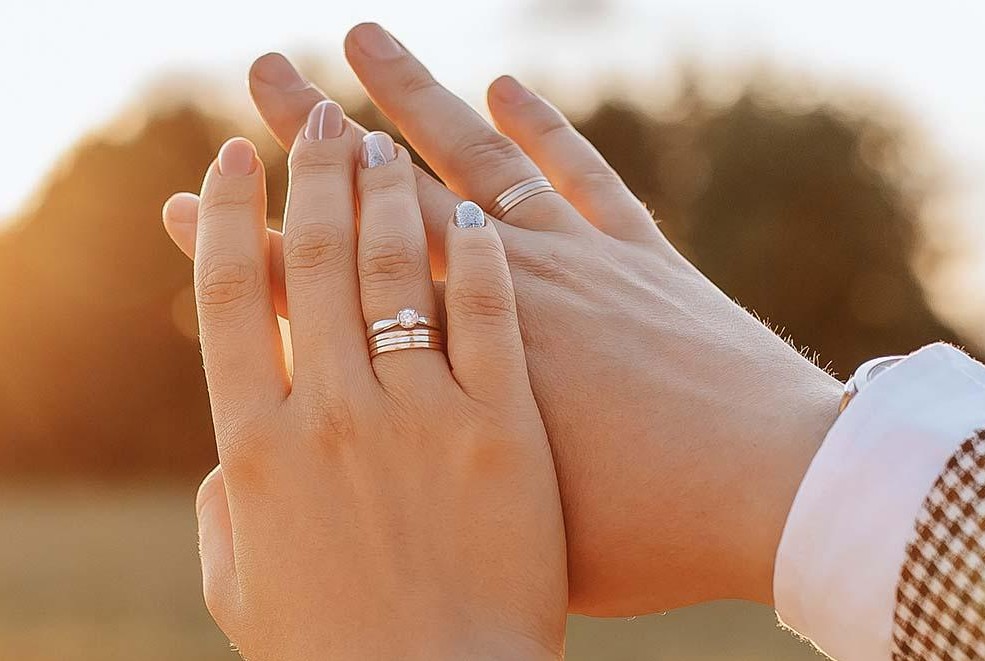
Choosing a wedding ring and engagement ring set is a beautiful way to celebrate your love and commitment. These two rings represent different milestones in a relationship, but when paired together, they create a meaningful combination that you can wear and cherish for years to come. Whether you prefer classic diamond rings, modern minimalist designs, or vintage-inspired styles, finding the right set starts with understanding your personal taste, lifestyle, and budget.
A matching wedding ring and engagement ring set can make shopping easier because both rings are designed to complement each other. You can also choose individual rings that work beautifully together, giving you more freedom to create a look that feels uniquely yours.
In this guide, we’ll explore different ring styles, popular metals, diamond options, budgeting tips, and practical advice to help you find the perfect wedding ring and engagement ring set.
What Is a Wedding Ring and Engagement Ring Set?
A wedding ring and engagement ring set typically includes two rings designed to be worn together. The engagement ring is traditionally given during a proposal, while the wedding band is exchanged during the wedding ceremony.
Although these rings serve different purposes, they often share design elements that create a coordinated appearance.
An engagement ring commonly features a center gemstone, such as a diamond, while a wedding band may have a simple metal finish, small accent diamonds, or an intricate pattern. When paired together, the rings create a balanced and elegant look.
Engagement Rings vs. Wedding Bands
Understanding the difference between these rings can help you choose a set that suits your preferences.
Engagement ring: Usually features a prominent center stone and is presented during a proposal. Popular designs include solitaire, halo, three-stone, and vintage-inspired rings.
Wedding band: Traditionally exchanged during the wedding ceremony. It may be a plain metal band, a diamond-studded ring, or a contoured design that fits around the engagement ring.
Matching ring set: Combines both rings into a coordinated design. Some sets feature identical metals and decorative details, while others use contrasting elements for a distinctive look.
There is no single rule for how these rings should look. The most important thing is choosing a combination that feels comfortable, attractive, and meaningful to you.
Popular Styles of Wedding Ring and Engagement Ring Sets
Ring styles vary widely, from timeless designs that never go out of fashion to contemporary combinations that make a statement. Exploring popular options can help you identify the look you love most.
1. Classic Solitaire Engagement Ring Sets
A solitaire engagement ring features one central gemstone, allowing the stone to take center stage. It is one of the most recognizable engagement ring styles because of its clean, understated appearance.
Pairing a solitaire engagement ring with a plain wedding band creates a timeless combination. If you prefer a little extra sparkle, a pavé wedding band can add delicate brilliance without overwhelming the center stone.
Solitaire sets work particularly well for people who appreciate simplicity and want a design that remains stylish over time.
2. Diamond Halo Ring Sets
A halo engagement ring features a central gemstone surrounded by smaller diamonds. This arrangement creates additional sparkle and can make the center stone appear larger.
A diamond wedding band complements the halo setting by adding brilliance along the finger. For a balanced look, choose a band with smaller stones that do not compete with the center diamond.
Halo sets are ideal for anyone who loves glamorous jewelry and wants a noticeable, sparkling combination.
3. Vintage-Inspired Wedding Ring Sets
Vintage-inspired sets often feature intricate details, including milgrain edges, filigree patterns, engraved bands, and antique-style gemstone settings.
These designs can feel romantic and distinctive, especially when paired with an engagement ring that has an oval, cushion, or round center stone.
If you love jewelry with character, a vintage-inspired set can provide a timeless appearance without requiring an authentic antique ring.
4. Minimalist Ring Sets
Minimalist sets focus on clean lines, subtle details, and simple silhouettes. They may feature a small solitaire diamond, a slim gold band, or a delicate wedding ring with a smooth finish.
These sets are particularly suitable for people who prefer understated jewelry or regularly use their hands throughout the day.
A minimalist design can also be easier to coordinate with other jewelry, making it a practical option for everyday wear.
5. Three-Stone Engagement Ring Sets
Three-stone engagement rings feature a central gemstone flanked by two smaller stones. The design creates a balanced appearance and offers more visual interest than a traditional solitaire.
A simple wedding band helps maintain the focus on the three-stone setting. Alternatively, a diamond band can create a more elaborate combination.
This style is a great choice if you want an engagement ring that feels distinctive while remaining elegant.
6. Contoured Wedding Ring Sets
Some engagement rings have large center stones or settings that prevent a straight wedding band from sitting flush against the ring.
A contoured wedding band solves this problem by following the shape of the engagement ring. It may feature a gentle curve, a V-shaped design, or a more customized silhouette.
Contoured bands are especially useful for engagement rings with pear-shaped, oval, or elaborate halo settings.
Before purchasing a set, check how the rings fit together when worn. Even two beautiful rings may not sit comfortably side by side if their shapes are incompatible.
Best Metals for Wedding Ring and Engagement Ring Sets
The metal you choose affects the appearance, durability, maintenance requirements, and overall cost of your ring set.
Yellow Gold
Yellow gold is a traditional choice that offers a warm, classic appearance. It complements diamonds and many colored gemstones, making it suitable for both modern and vintage-inspired designs.
Common options include 14-karat and 18-karat gold. Fourteen-karat gold generally offers a practical balance of gold content and durability, while 18-karat gold contains more pure gold and has a richer color.
Yellow gold can be a great option if you prefer traditional jewelry or want a warm contrast against a white diamond.
White Gold
White gold has a bright, silvery appearance that works well with contemporary engagement rings. It is particularly popular for diamond solitaire, halo, and pavé designs.
Many white gold rings receive a rhodium coating to enhance their white finish. This coating can wear over time and may need periodic renewal.
White gold is worth considering if you want the appearance of a white metal at a price that may be lower than platinum.
Rose Gold
Rose gold features a soft pink hue created by combining gold with copper and other alloy metals.
Its romantic color makes it a popular option for engagement rings with vintage details, oval diamonds, and delicate settings.
Rose gold can also be paired with white gold or platinum accents for a contrasting two-tone appearance.
Platinum
Platinum is a naturally white metal valued for its durability and density. It is a popular choice for people who want a premium metal for everyday jewelry.
Unlike white gold, platinum does not rely on a rhodium coating to maintain its naturally white color. However, platinum can develop surface scratches and a soft patina through regular wear.
Because it is dense and often more expensive than gold, platinum may increase the overall price of your ring set.
Can You Mix Different Metals?
Absolutely. A white gold engagement ring paired with a yellow gold wedding band can create a stylish contrast, while rose gold and platinum can produce a more contemporary combination.
The key is to make the difference look intentional. Repeating a small detail, such as a similar gemstone setting or band width, can help the two rings feel coordinated.
How to Choose the Right Diamond for Your Ring Set
If your engagement ring includes a diamond, understanding the factors that influence its appearance and price can help you make a more confident decision.
Understand the Four Cs
The Four Cs are the main characteristics used to evaluate a diamond.
- Cut: Describes how well the diamond’s proportions and facets interact with light. Cut quality can strongly influence brilliance.
- Color: Measures how colorless a diamond appears within the applicable grading scale.
- Clarity: Evaluates internal characteristics called inclusions and external characteristics called blemishes.
- Carat: Measures the diamond’s weight, not its physical size alone.
You do not necessarily need the highest grade in every category. Depending on the diamond, a well-cut stone with a slightly lower color or clarity grade may offer excellent visual appeal at a more accessible price.
Compare diamonds individually, and review grading reports from reputable gemological laboratories when available.
Natural Diamonds vs. Lab-Grown Diamonds
Both natural and lab-grown diamonds have the same fundamental chemical composition and crystal structure. The primary difference is how they form.
Natural diamonds develop through geological processes over long periods. Lab-grown diamonds are created using controlled technological processes.
Natural diamonds typically cost more than comparable lab-grown diamonds. Lab-grown options may allow you to select a larger stone or invest more in the setting while keeping the same budget.
Your decision may depend on personal preference, budget, and how you value a diamond’s origin. Whichever option you choose, compare quality, documentation, and total price rather than relying on appearance alone.
Consider Alternative Gemstones
Diamonds are not the only option for an engagement ring. Sapphires, rubies, emeralds, and other gemstones can create a distinctive look.
Sapphires are available in several colors and are generally well suited to everyday jewelry. Emeralds offer a rich green appearance but require more careful handling because they are typically more vulnerable to damage than diamonds or sapphires.
If you choose a colored gemstone, ask a jeweler about its durability, treatment history, and maintenance requirements before purchasing it.
How Much Does a Wedding Ring and Engagement Ring Set Cost?
The cost of a wedding ring and engagement ring set varies considerably. The final price depends on the center stone, metal, ring design, craftsmanship, brand, and whether you choose natural diamonds, lab-grown diamonds, or alternative gemstones.
Here is a general budgeting guide in U.S. dollars. These ranges are illustrative estimates rather than fixed market prices.
| Budget range | What you might find |
|---|---|
| Under $500 | Simple wedding bands, modest gemstone rings, or selected affordable sets |
| $500–$1,500 | Basic gold bands, smaller gemstones, or some lab-grown diamond options |
| $1,500–$3,000 | More design choices, including selected diamond engagement rings with coordinated bands |
| $3,000–$5,000 | A broader selection of diamond sizes, settings, and precious metals |
| $5,000 and above | Premium designs, larger center stones, elaborate settings, or higher-priced natural diamonds |
Prices can fall outside these ranges depending on the jeweler and specifications. Some engagement rings alone cost more than the highest range shown, while simple wedding bands may cost substantially less.
Set a Budget Before Shopping
Start by deciding how much you can comfortably spend without affecting essential expenses, savings, or other financial goals.
There is no universal rule that says an engagement ring should cost a particular number of months of salary. Your budget should reflect your circumstances rather than an advertising slogan or social expectation.
It can also help to divide your budget into two parts: the engagement ring and the wedding band. This gives you a clearer idea of how much you can spend on each piece.
Look for Value, Not Just Size
A larger diamond is not automatically the best choice. Cut quality, proportions, setting design, and the way the stone looks in person can make a significant difference.
If you want a larger-looking center stone without overspending, compare oval or pear-shaped diamonds, consider lab-grown diamonds, or explore settings that emphasize the center stone.
Always compare complete ring specifications. A low advertised price may not include the wedding band, resizing, taxes, or other services.
How to Match Your Wedding Band With Your Engagement Ring
Choosing two rings that look good together requires more than selecting the same metal. The shape, proportions, height, and setting style all influence how the rings look when worn.
Match the Metal Color
Using the same metal creates a cohesive appearance. For example, a white gold engagement ring paired with a white gold wedding band produces a coordinated, traditional look.
However, matching metals is a preference rather than a requirement. Two-tone combinations can look equally attractive when the design elements complement one another.
Pay Attention to Band Width
Band width affects the overall balance of the set. A narrow wedding band can look delicate beside a small solitaire, while a wider band may complement a larger center stone or a more substantial engagement ring.
Try different widths in person when possible. A band that looks perfectly proportioned in a product photo may feel different on your hand.
Check the Ring Height
The height of the engagement ring’s setting determines whether a wedding band can sit flush against it.
Low-profile settings may work well with straight bands, while taller or more elaborate settings may need a curved band or a specially designed matching ring.
If you plan to wear both rings on the same finger, ask the jeweler to check their fit together before finalizing your purchase.
Consider Diamond Placement
A pavé or channel-set wedding band can add sparkle, but the stones should not rub against the engagement ring in a way that causes unnecessary wear.
A jeweler can assess whether the settings fit together safely. In some cases, a plain band may be the more practical choice.
Should You Buy a Matching Set or Separate Rings?
Both approaches have advantages, and the best option depends on your priorities.
Benefits of Buying a Matching Set
A matching set is designed to create a coordinated appearance. It can simplify shopping because the rings are intended to complement one another in terms of shape, metal, and style.
Buying a set may also make it easier to compare the total cost of both rings at once. However, discounts are not guaranteed, so compare the set price with the individual prices before deciding.
Benefits of Buying Separate Rings
Purchasing the rings separately offers greater flexibility. You can choose an engagement ring first and select a wedding band later, perhaps after trying different combinations.
This approach is especially useful if your partner has a distinctive style or prefers a wedding band that does not come with a traditional engagement ring set.
You can also spread out the expense, provided you plan the total budget carefully.
Which Option Is Better?
Choose a matching set if you want convenience and a coordinated design. Choose separate rings if you value flexibility or want to create a combination that reflects your individual preferences.
Neither option is inherently better. Comfort, durability, design compatibility, and budget matter more than whether the rings were sold together.
Tips for Choosing the Perfect Ring Set
A little preparation can make shopping for wedding and engagement rings easier.
- Identify your preferred style. Browse classic, minimalist, vintage, and contemporary designs to understand what appeals to you.
- Set a realistic budget. Include both rings and account for possible resizing, taxes, insurance, and maintenance.
- Choose a suitable metal. Consider durability, color preference, skin sensitivity, and upkeep.
- Compare gemstones carefully. Review the Four Cs for diamonds and ask about treatments and durability for colored gemstones.
- Check sizing. Fingers can change size throughout the day and with temperature. A professional fitting can help you choose comfortably.
- Try the rings together. Confirm that the wedding band fits the engagement ring and feels comfortable on your finger.
- Review the return policy. Check the rules for resizing, returns, exchanges, and custom orders before paying.
- Ask about warranties and maintenance. Understand whether inspections, cleaning, repairs, or stone tightening are included.
- Keep documentation. Save receipts, grading reports, and any appraisal or insurance paperwork.
- Choose a reputable jeweler. Look for clear product descriptions, transparent pricing, and dependable customer service.
How to Care for Your Wedding and Engagement Rings
Your ring set may be worn every day, so regular care can help maintain its appearance and reduce the risk of damage.
Clean Your Rings Regularly
For many diamond rings, gentle cleaning with warm water, mild dish soap, and a soft brush is suitable. Rinse carefully and dry with a lint-free cloth.
However, cleaning methods depend on the gemstone and setting. Pearls, emeralds, treated stones, and delicate vintage pieces may need special care. Ask your jeweler before using ultrasonic cleaners or chemical solutions.
Inspect the Settings
Check your rings periodically for loose stones, damaged prongs, or unusual movement. If a gemstone appears loose, stop wearing the ring until a jeweler has inspected it.
Professional inspections can help identify problems before a stone falls out.
Protect Your Rings During Activities
Remove your rings when performing activities that may expose them to strong impacts, harsh chemicals, or heavy abrasion, provided it is safe to do so.
Store each ring in a soft-lined jewelry box or a separate compartment to minimize scratches. Be especially careful when handling cleaning products, exercising with weights, or doing manual work.
Consider Insurance
Depending on the ring’s value, insurance may provide protection against covered events such as theft, loss, or accidental damage. Policies vary, so review the exclusions, deductibles, documentation requirements, and coverage limits.
An appraisal may be useful when arranging coverage, but it is not necessarily the same as the purchase price or the amount an insurer will pay.
Frequently Asked Questions
Can I wear my engagement ring and wedding band every day?
Yes. Many people wear both rings daily, provided the designs are comfortable and suitable for their activities. Remove them when necessary to avoid impacts, chemical exposure, or damage, and follow your jeweler’s care recommendations.
Does the wedding band have to match the engagement ring?
No. Matching metals and styles can create a coordinated look, but mixing metals or designs is also popular. Choose a combination that reflects your taste and fits comfortably.
Which ring goes on first?
In many Western traditions, the wedding band is worn closest to the heart, with the engagement ring above it on the same finger. Customs vary by culture and personal preference, so there is no universal requirement.
Should I buy the wedding band at the same time as the engagement ring?
Buying both together makes it easier to check the fit and overall appearance. However, you can purchase the wedding band later if you prefer more time to compare options or want to spread out the cost.
Are lab-grown diamond ring sets worth considering?
Lab-grown diamond sets can be a good option if you want the appearance and physical properties of a diamond at a potentially lower purchase price than a comparable natural diamond. Compare the quality, grading documentation, warranty, and total price before deciding.
How do I know if my ring size is correct?
A properly fitted ring should slide over the knuckle with some resistance and sit comfortably without feeling painfully tight. Have a professional jeweler measure your finger, especially if you plan to wear two rings together.
Can I customize a wedding ring and engagement ring set?
Many jewelers offer customization, including different metals, gemstones, engraving, band widths, and setting styles. Custom designs may cost more and take longer to produce, so confirm the final specifications and timeline before ordering.
Is it better to choose a diamond or a colored gemstone?
The right choice depends on your aesthetic preferences, budget, and lifestyle. Diamonds are popular for their brilliance and hardness, while sapphires and other gemstones offer distinctive colors. Check the durability and care requirements of any gemstone intended for everyday wear.
Conclusion
Finding the perfect wedding ring and engagement ring set is about choosing two rings that represent your relationship while fitting your everyday life. From classic solitaire combinations to modern mixed-metal designs, there are plenty of options for different tastes and budgets.
Start by deciding on your preferred style, choosing a comfortable budget, and comparing metals and gemstones. Then pay attention to the details that matter in everyday wear, including ring size, setting height, band width, and maintenance requirements.
Whether you choose a coordinated matching set or select each ring separately, the best combination is one that feels right to you. With thoughtful planning and a little research, you can find a wedding ring and engagement ring set that you will be happy to wear for years to come.